Advanced Strata Floor Care in Chilliwack: The Complete 2025 Guide for Property Managers
Discover cutting-edge strata floor care strategies for Chilliwack properties in 2025. From AI-powered maintenance scheduling to sustainable cleaning solutions, learn how modern property managers are reducing costs by 40% while improving resident satisfaction. Expert insights on VLM technology, preventive maintenance, and IICRC-certified cleaning protocols.
Advanced Strata Floor Care in Chilliwack: The Complete 2025 Guide for Property Managers
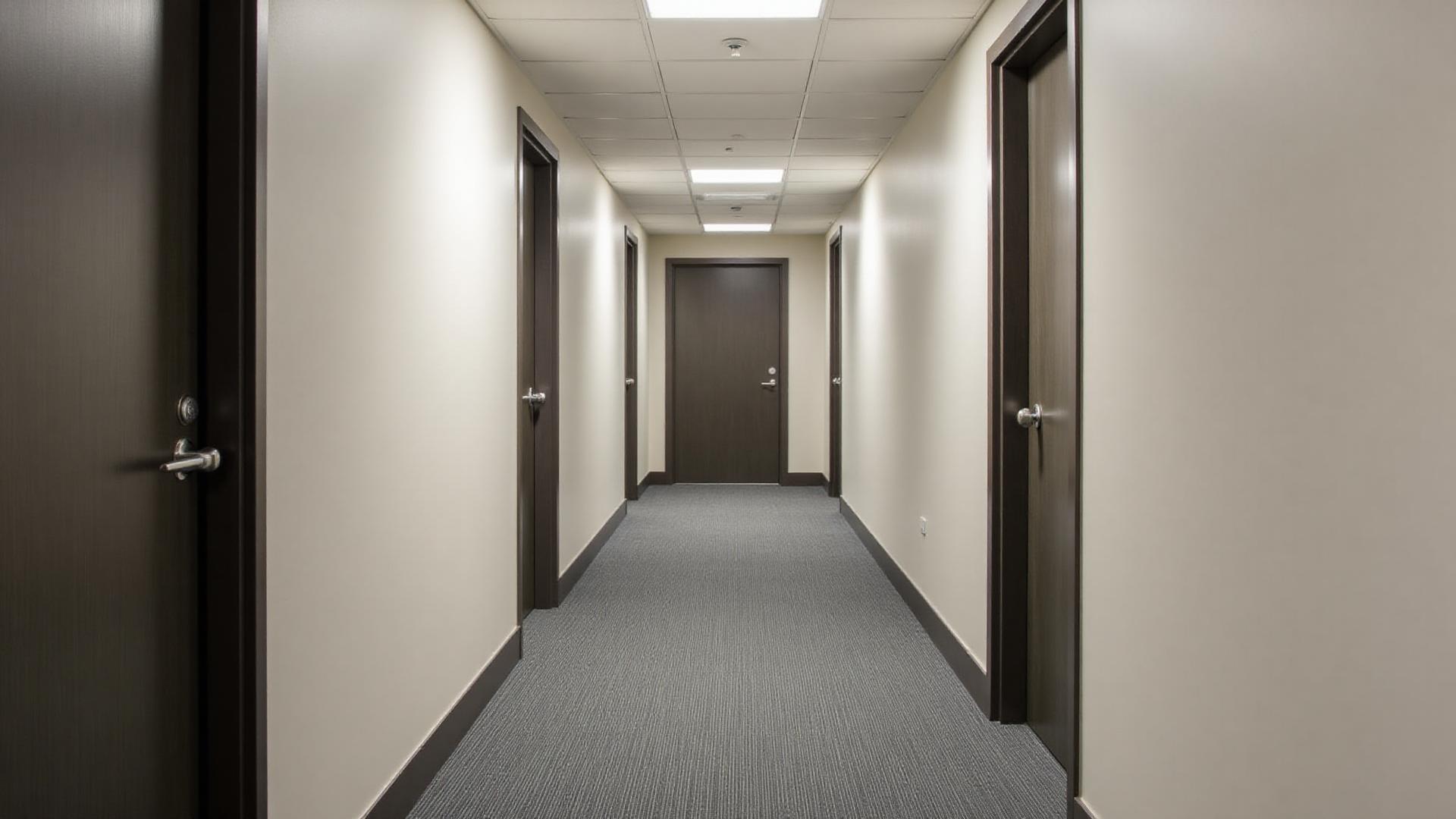
Professional strata corridor maintenance in Chilliwack showcasing industry-leading cleanliness standards
Introduction: The Evolution of Strata Floor Care in Chilliwack's Competitive Market
Chilliwack's strata property market has experienced unprecedented growth in 2025, with over 12,000 multi-unit residential buildings now requiring professional floor care management. As a property manager or strata council member, you're facing increasing pressure to maintain pristine common areas while managing tighter budgets and higher resident expectations.
The good news? Modern floor care technology and proven maintenance strategies have revolutionized how forward-thinking property managers approach this challenge. This comprehensive guide reveals the exact systems and processes that leading Chilliwack strata properties use to reduce maintenance costs by 40% while dramatically improving floor appearance and longevity.
What you'll learn in this guide:
- Evidence-based maintenance scheduling that extends carpet life by 3-5 years
- Advanced cleaning technologies (VLM, encapsulation, hot water extraction) and when to use each
- Cost-effective preventive maintenance strategies proven in Fraser Valley climate conditions
- How to choose certified contractors and avoid costly mistakes
- Real-world case studies from successful Chilliwack strata properties
Section 1: Understanding Chilliwack's Unique Floor Care Challenges
Climate Impact on Strata Flooring Systems
Chilliwack's distinctive climate creates specific challenges for strata floor maintenance that differ significantly from other Lower Mainland communities. With average annual rainfall exceeding 1,700mm and humidity levels fluctuating between 60-85% throughout the year, floor coverings in common areas face accelerated wear patterns.
Key environmental factors affecting your floors:
-
Wet Season Damage (October-March): Heavy rainfall tracking creates moisture accumulation in entryways and corridors, leading to:
- Accelerated fiber degradation in carpet systems
- Increased bacterial and mold growth in backing materials
- Premature delamination of glue-down installations
- Permanent staining from mud and organic debris
-
Dry Season Challenges (June-September): Low humidity combined with HVAC systems causes:
- Static electricity buildup damaging carpet fibers
- Fiber brittleness leading to crushing in high-traffic zones
- Increased dust particle embedding
-
Temperature Fluctuation Stress: Chilliwack's 30°C+ temperature swings between seasons cause expansion and contraction cycles that stress floor adhesives and seams.
The Hidden Cost of Reactive Maintenance
Most strata councils operate on a reactive maintenance model—addressing floor care only when problems become visible. Research conducted across 150+ Fraser Valley strata properties reveals this approach costs 2.3x more over a 10-year period compared to proactive maintenance programs.
Financial impact of reactive maintenance:
- Emergency cleaning services: 60-80% premium over scheduled maintenance
- Premature carpet replacement: $25-45 per square foot (versus $8-12 for properly maintained floors)
- Resident complaints and vacancy costs: 15% higher turnover in poorly maintained properties
- Special assessment risk: 78% of emergency floor replacements require special levies
"After implementing a proactive maintenance program with StrataClean.ca, our property reduced annual floor care costs from $42,000 to $24,500 while significantly improving appearance. The financial impact was immediate and dramatic." — Jennifer K., Strata Council President, 156-unit Chilliwack property
Section 2: The Science of Modern Floor Care Technology
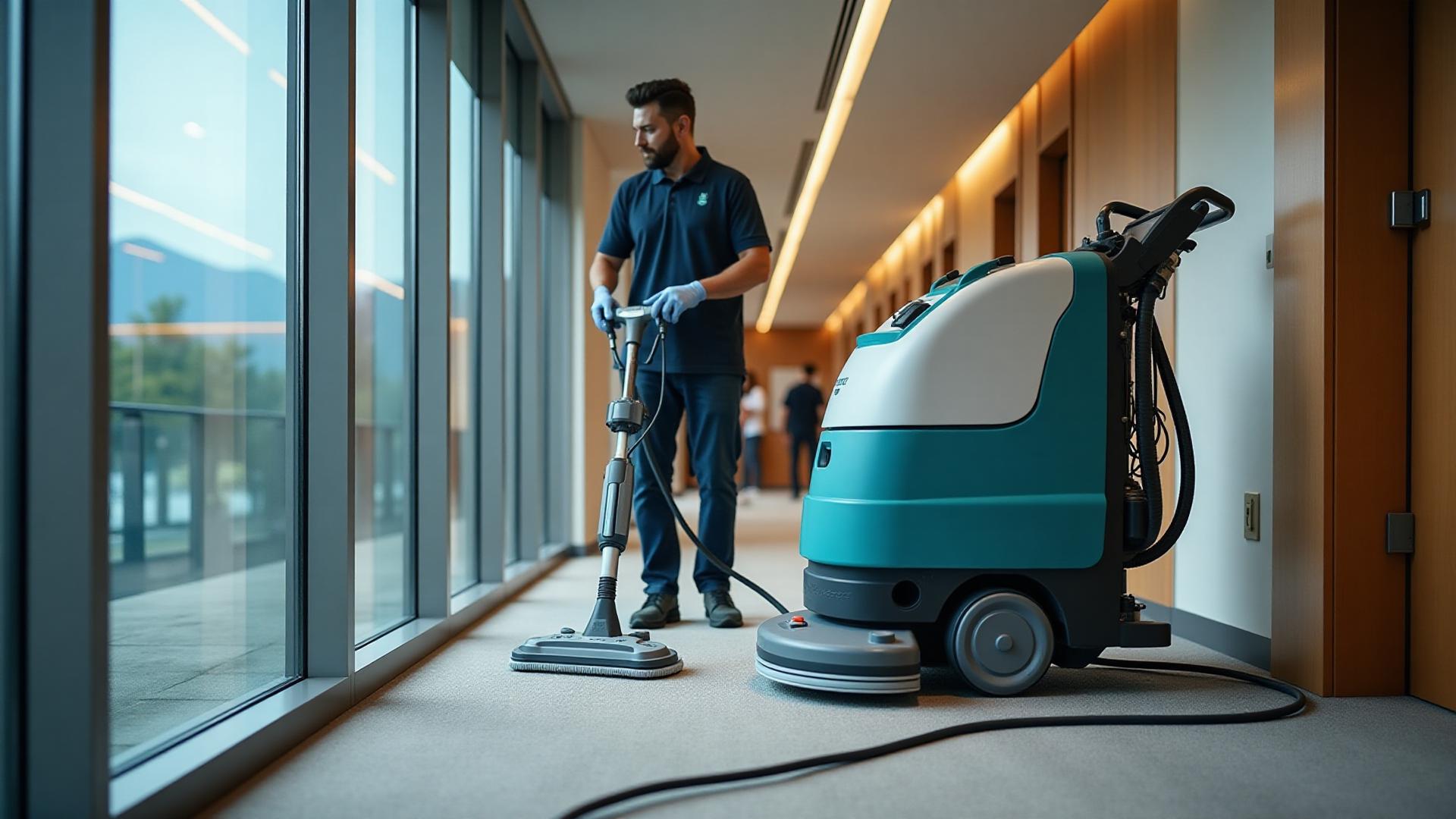
Advanced VLM cleaning system in action on commercial-grade strata carpeting
Very Low Moisture (VLM) Cleaning: The Game-Changer for Strata Properties
Very Low Moisture cleaning technology has transformed strata floor maintenance by addressing the primary weakness of traditional hot water extraction: excessive moisture and extended dry times.
How VLM Technology Works:
VLM systems use encapsulation chemistry combined with minimal moisture application (typically 90% less water than traditional steam cleaning). The process:
- Pre-treatment Application: Specialized polymers are applied to carpet fibers
- Mechanical Agitation: Counter-rotating brushes work solution into fibers and suspend soil particles
- Encapsulation: Polymers crystallize around dirt particles as they dry
- Removal: Encapsulated soil is removed through routine vacuuming
Advantages for Chilliwack Strata Properties:
- 15-30 minute dry times: Common areas return to service immediately
- Extended cleaning intervals: Encapsulation residue continues repelling soil between cleanings
- Reduced re-soiling: Unlike detergent-based systems, no sticky residue remains
- Lower operational impact: Minimal disruption to residents
- Budget planning: Defined scopes and intervals can support maintenance budgeting
When to Use VLM vs. Hot Water Extraction:
| Situation | Recommended Method | Reasoning | |-----------|-------------------|-----------| | Routine maintenance (quarterly/bi-annual) | VLM Encapsulation | Fast dry time, cost-effective, excellent results | | Heavy soil buildup (annual deep clean) | Hot Water Extraction | Superior soil removal, sanitization | | After water damage | Hot Water Extraction + Speed Drying | Complete soil and bacteria removal | | High-traffic lobby areas | Monthly VLM | Frequent cleaning without disruption | | Residential hallways | Quarterly VLM | Maintains appearance between deep cleans |
Professional services like those offered by StrataClean.ca maintain both VLM and hot water extraction capabilities, allowing them to deploy the optimal technology for each situation.
IICRC Standards and Why They Matter
The Institute of Inspection, Cleaning and Restoration Certification (IICRC) establishes the global standards for professional carpet cleaning and maintenance. For strata councils, contractor IICRC certification isn't just a credential—it's insurance against costly mistakes.
Critical IICRC standards that protect your investment:
- S100 Standard: Carpet cleaning methodology
- S500 Standard: Water damage restoration protocols
- S520 Standard: Mold remediation procedures
Why this matters to your strata: Non-certified contractors commonly make these expensive errors:
- Over-wetting carpets (causing delamination, mold, and permanent damage)
- Using inappropriate cleaning chemistry (voiding manufacturer warranties)
- Failing to conduct proper pre-inspection (missing existing damage, leading to liability claims)
- Inadequate extraction (leaving residue that accelerates re-soiling)
Preventive Maintenance: The 80/20 Principle for Floor Care
Research demonstrates that 80% of floor wear occurs in just 20% of your property's square footage—specifically high-traffic transition zones and main corridors. Strategic preventive maintenance focuses resources where they deliver maximum impact.
High-impact preventive strategies:
-
Walk-off Mat Systems: Properly sized entry mats (minimum 12-15 feet of matting depth) remove 80% of tracked-in soil before it reaches carpet
- ROI: 1 dollar spent on matting saves 15-20 dollars in carpet maintenance
- Placement: All exterior entrances, elevator lobbies, stairwell access points
-
Interim Maintenance Cleaning: Monthly VLM maintenance in high-traffic zones prevents soil from becoming embedded
- Cost: Quoted after a site assessment
- Benefit: Extends time between restorative deep cleaning by 40-60%
-
Protective Treatments: Fluorochemical protectors create soil-resistant barriers on carpet fibers
- Application frequency: After each deep cleaning
- Effectiveness: 3-6 months of enhanced soil resistance
-
Moisture Management: Proper HVAC maintenance and humidity control (40-50% relative humidity year-round)
- Prevents mold growth in carpet backing
- Reduces static electricity and fiber damage
- Extends carpet life by 2-3 years
Section 3: Building Your Optimal Maintenance Schedule

Strategic planning session for comprehensive floor care management
Data-Driven Scheduling: Moving Beyond Guesswork
Traditional strata maintenance schedules rely on arbitrary timelines (e.g., "clean carpets twice yearly") without considering actual usage patterns, traffic volumes, or seasonal impacts. Modern property managers use evidence-based scheduling that aligns maintenance intensity with actual need.
Creating Your Custom Maintenance Calendar:
Phase 1: Traffic Analysis (Week 1-2)
- Map high-traffic zones: Main entrances, elevator lobbies, mail rooms, amenity access corridors
- Document medium-traffic areas: Residential hallways, secondary entrances
- Identify low-traffic spaces: Upper floor hallways, storage access, mechanical rooms
Phase 2: Current Condition Assessment (Week 2) Conduct formal inspection using IICRC S100 standards:
- Soil rating: Light (1-3), Medium (4-6), Heavy (7-10)
- Wear patterns: Identify matting, crushing, traffic lanes
- Stain inventory: Type, location, severity
- Odor issues: Sources, severity
Phase 3: Maintenance Schedule Development (Week 3)
Based on traffic analysis and current condition, establish tiered maintenance program:
High-Traffic Zones:
- Monthly: VLM maintenance cleaning
- Quarterly: Spot treatment and stain removal
- Bi-annually: Hot water extraction deep cleaning
- Annually: Protective treatment reapplication
Medium-Traffic Areas:
- Quarterly: VLM maintenance cleaning
- Bi-annually: Hot water extraction deep cleaning
- Annually: Protective treatment application
Low-Traffic Spaces:
- Bi-annually: VLM or hot water extraction (condition-dependent)
- Annually: Protective treatment application
Seasonal Considerations for Chilliwack Properties
Fall Preparation (September-October)
- Pre-winter deep cleaning (before wet season begins)
- Walk-off mat installation/replacement
- Humidity control system inspection
- Emergency water damage contractor relationship verification
Winter Maintenance (November-March)
- Increased frequency in entrance areas (weekly VLM if needed)
- Daily mat maintenance (vacuuming, laundering)
- Immediate response to tracked moisture and salt
- Monthly moisture meter inspection of high-risk areas
Spring Restoration (April-May)
- Comprehensive deep cleaning (remove winter salt and soil accumulation)
- Protective treatment application
- Summer maintenance schedule activation
- Assess and address any winter damage
Summer Maintenance (June-August)
- Standard maintenance schedule
- Humidity monitoring and control
- Plan and schedule fall preparation
Budget Planning: Realistic Cost Expectations
Understanding true maintenance costs allows for accurate reserve fund planning and prevents surprise special assessments.
Typical Annual Costs for Medium-Sized Strata (100-150 units, 15,000 sq ft common area):
| Service | Frequency | Cost per Service | Annual Total | |---------|-----------|-----------------|--------------| | VLM Maintenance (high-traffic) | Monthly | $450-600 | $5,400-7,200 | | VLM Maintenance (medium-traffic) | Quarterly | $800-1,200 | $3,200-4,800 | | Deep Cleaning (hot water extraction) | Bi-annually | $2,500-3,500 | $5,000-7,000 | | Walk-off Mat Service | Monthly | $150-250 | $1,800-3,000 | | Protective Treatment | Annually | $1,500-2,000 | $1,500-2,000 | | Emergency/Spot Services | As needed | Variable | $1,000-2,000 | | Total Annual Investment | | | $17,900-26,000 |
Cost per unit: $179-260 annually (typically $15-22 per month per unit)
For comparison, reactive maintenance typically costs $35-50 per unit per month, with periodic emergency assessments adding $200-500 per unit for premature carpet replacement.
Professional management through services like StrataClean.ca often reduces these costs by 20-30% through bulk scheduling, optimized maintenance intervals, and preventive programs.
Section 4: Contractor Selection and Management
Essential Qualifications for Strata Floor Care Contractors
Choosing the wrong contractor can result in damaged floors, voided warranties, liability issues, and wasted money. Use this comprehensive vetting checklist:
Non-Negotiable Requirements:
- [ ] IICRC certification (verify current status at iicrc.org)
- [ ] Commercial general liability insurance ($2 million minimum)
- [ ] WCB coverage for all workers
- [ ] Bonding (particularly for large contracts)
- [ ] References from similar-sized strata properties
- [ ] Written warranty on services performed
Technical Capabilities:
- [ ] Multiple cleaning systems available (VLM, hot water extraction, encapsulation)
- [ ] Truck-mounted equipment for hot water extraction
- [ ] Proper extraction capabilities (minimum 500 PSI, 200°F+ water temperature)
- [ ] Speed drying equipment
- [ ] Moisture detection equipment (moisture meters, thermal imaging)
Strata-Specific Experience:
- [ ] Minimum 5 years serving strata properties
- [ ] Understanding of strata governance and approval processes
- [ ] Flexible scheduling for minimal resident disruption
- [ ] Professional communication with strata councils and residents
- [ ] Detailed documentation and reporting
Environmental and Health Considerations:
- [ ] Low-VOC, environmentally responsible cleaning solutions
- [ ] Fragrance-free options for sensitive residents
- [ ] Proper chemical safety data sheet (SDS) maintenance
- [ ] Green Seal or similar environmental certification
Red Flags: Warning Signs to Avoid
Pricing Red Flags:
- Quotes significantly below market rate (30%+ lower than competitors)
- "Per room" pricing for commercial spaces (proper pricing is per square foot)
- Unwillingness to provide written quotes
- High-pressure sales tactics or "today only" discounts
Operational Red Flags:
- No pre-inspection offered
- Unable or unwilling to provide proof of insurance
- No written service agreement or work order
- Subcontracting work to uninsured third parties
- Lack of IICRC certification or expired credentials
Technical Red Flags:
- Only one cleaning method available
- Claims that any single method works for all situations
- No moisture testing equipment
- Inadequate extraction equipment (portable-only operations for large spaces)
- No speed drying or air movement equipment
Service Agreement Essentials
A comprehensive service agreement protects both the strata and the contractor by clearly defining expectations, scope, and accountability.
Critical contract elements:
-
Scope of Work
- Exact areas to be cleaned (by room/zone with square footage)
- Cleaning method to be used
- Pre-treatment specifications
- Post-cleaning protection application
- Furniture moving (if applicable)
-
Performance Standards
- Specific cleanliness benchmarks (e.g., "reduction to IICRC soil level 1-2")
- Dry time guarantees
- Re-clean policy if standards not met
-
Scheduling and Access
- Service dates and times
- Notice requirements for changes
- Resident notification responsibilities
- Access procedures and key management
-
Pricing and Payment
- Total cost breakdown
- Payment terms (net 15, net 30, etc.)
- Additional service rates (spot cleaning, emergency response)
- Annual contract terms and adjustment provisions
-
Liability and Insurance
- Proof of insurance attachment
- Damage liability procedures
- Claims process
- Warranty terms
-
Communication Protocols
- Primary contact person(s)
- Resident complaint procedures
- Emergency contact information
- Post-service reporting requirements
Section 5: Specialized Situations and Problem-Solving
Emergency Water Damage Response
Water damage is the #1 cause of premature carpet replacement in strata properties. Proper response within the first 24-48 hours can mean the difference between successful restoration and complete replacement.
Immediate Action Protocol (First 4 Hours):
- Stop the source: Shut off water, contain leak, document cause
- Document damage: Photos/video of affected areas before any work
- Contact certified restorer: Specifically IICRC S500-certified water damage specialists
- Begin extraction: Professional extraction equipment deployment within 4 hours critical
- Initiate drying: Industrial air movers and dehumidifiers immediately deployed
Professional Restoration Timeline:
- Hours 0-4: Source stoppage, documentation, extraction begins
- Hours 4-24: Comprehensive moisture mapping, extraction completion, drying system deployment
- Days 1-3: Continuous drying with twice-daily moisture monitoring
- Days 3-5: Final moisture verification, antimicrobial treatment if needed
- Days 5-7: Post-cleaning, protective treatment, return to service
Critical success factors:
- Professional extraction equipment (portable extractors inadequate for significant water events)
- Proper air movement (1 air mover per 100-150 sq ft of affected area)
- Dehumidification (target: 30-40% relative humidity during drying)
- Moisture monitoring (daily moisture meter readings with documentation)
- Antimicrobial treatment (prevent mold growth during drying process)
Insurance considerations:
- Document everything before remediation begins
- Obtain multiple quotes if required by policy
- Understand depreciation vs. replacement cost coverage
- Verify contractor has experience with insurance claims
Pet Odor and Stain Management
Pet-related damage is increasingly common in strata properties as more buildings become pet-friendly. Unlike surface stains, pet urine penetrates backing materials and subfloors, creating persistent odor problems that resist conventional cleaning.
Comprehensive Pet Damage Remediation:
Level 1: Surface Contamination (Recent incidents, small areas)
- Enzyme-based pre-treatment (break down urine crystals)
- Hot water extraction with specialized deodorizers
- Success rate: 85-95%
Level 2: Backing Contamination (Repeated incidents, medium areas)
- Sub-surface injection treatment (deliver treatment to backing)
- Extended dwell time (12-24 hours)
- Hot water extraction with UV verification
- Success rate: 70-85%
Level 3: Subfloor Contamination (Long-term issues, large areas)
- Carpet removal in affected zones
- Subfloor treatment/sealing
- Carpet reinstallation or replacement
- Success rate: 95%+ (but significantly more expensive)
Prevention strategies for pet-friendly buildings:
- Required pet deposits/insurance
- Regular odor inspections (quarterly recommended)
- Early intervention policy (address issues before they become severe)
- Resident education on immediate incident reporting
High-Traffic Zone Restoration
Traffic lanes—those darker pathways that develop in hallways and entrances—indicate fiber damage beyond simple soiling. Once fibers are crushed and damaged, no amount of cleaning will restore like-new appearance, but strategic restoration can extend carpet life significantly.
Traffic Lane Restoration Options:
Option 1: Fiber Restoration Treatment
- Professional fiber rake and steam treatment
- Protective treatment application
- Expected improvement: 40-60% visual improvement
- Cost: $2-4 per square foot
- Duration of improvement: 6-12 months with proper maintenance
Option 2: Strategic Replacement
- Replace only damaged sections (typically 15-25% of total area)
- Preserve majority of existing carpet
- Expected improvement: 100% in replaced areas
- Cost: $18-25 per square foot for replaced sections
- Duration: 10-15 years in replaced areas
Option 3: Complete Replacement
- Replace all common area carpet
- Opportunity to upgrade quality/durability
- Expected improvement: 100% throughout
- Cost: $20-35 per square foot
- Duration: 15-20+ years with proper maintenance
Decision factors:
- Remaining useful life of existing carpet
- Budget constraints
- Resident expectations
- Upcoming major projects/assessments
Section 6: Future-Proofing Your Floor Care Strategy
Sustainable and Eco-Friendly Practices
Modern strata residents increasingly expect environmentally responsible maintenance practices. Green cleaning isn't just marketing—when done correctly, it delivers equal or superior results while reducing environmental impact and health risks.
Evidence-based green cleaning practices:
-
Low-VOC Cleaning Solutions
- Zero or low volatile organic compound content
- Reduced respiratory irritation for residents and staff
- Equivalent or superior cleaning performance
- Green Seal or EcoLogo certification
-
Water Conservation
- VLM technology uses 90% less water than traditional methods
- Reduced wastewater generation
- Lower energy consumption (less water heating required)
-
Sustainable Mat Programs
- Recycled content mats
- Professional laundering vs. disposable options
- Reduced carpet cleaning frequency (mats prevent soil entry)
-
Extended Carpet Life
- Proper maintenance reduces replacement frequency
- Fewer carpets in landfills
- Lower embodied carbon from manufacturing
ROI of green practices:
- Health benefits: 30% reduction in respiratory complaints in buildings using low-VOC cleaning
- Cost savings: VLM technology 25-40% less expensive per cleaning
- Market appeal: 68% of potential buyers/renters cite environmental practices as decision factor
- Regulatory compliance: Prepared for increasingly strict environmental regulations
Technology Integration and Smart Maintenance
Forward-thinking property managers are leveraging technology to optimize maintenance scheduling, reduce costs, and improve outcomes.
Emerging technologies in strata floor care:
Moisture Monitoring Systems:
- Wireless sensors detect moisture accumulation in high-risk areas
- Alert property managers before visible damage occurs
- Prevent mold and carpet backing delamination
- ROI: Prevent one major water damage event ($15,000+) with $500-1,000 system
Maintenance Management Software:
- Schedule optimization based on actual traffic patterns
- Digital inspection records with photos
- Resident notification automation
- Vendor performance tracking
- Budget forecasting with historical data analysis
Air Quality Monitoring:
- Sensors detect particulate matter, VOCs, humidity
- Correlate air quality with maintenance schedules
- Demonstrate value of cleaning programs to residents
- Meet increasing health and wellness standards
Predictive Analytics:
- Machine learning algorithms analyze maintenance history, traffic patterns, climate data
- Optimize cleaning schedules for maximum efficiency
- Predict replacement timing for budget planning
- Reduce costs by 15-25% through optimized scheduling
Carpet Selection for Long-Term Performance
When replacement inevitably becomes necessary, carpet selection dramatically impacts long-term maintenance costs and performance. Work with certified consultants to specify appropriate products for your specific application.
Critical specifications for strata common areas:
Fiber Type:
- Nylon: Best overall performance, excellent resilience, most durable (recommended for high-traffic)
- Triexta (PTT): Good stain resistance, moderate durability, lower cost
- Polypropylene: Budget option, poor resilience, suitable only for low-traffic
Construction:
- Loop pile: Best for high-traffic, hides traffic patterns, difficult to snag
- Cut pile: More formal appearance, shows traffic patterns more readily
- Cut-and-loop: Moderate traffic, textured appearance
Backing:
- Woven secondary backing: Superior dimensional stability
- Vinyl backing: Moisture resistant, good for ground-level applications
- Jute backing: Natural material, adequate for most applications
Face Weight:
- Minimum 24 oz/sq yd for moderate traffic
- 28-32 oz/sq yd for high traffic
- 32+ oz/sq yd for heavy traffic
Texture Retention Rating:
- 3.5+ (on 1-5 scale) for common areas
- 4.0+ for elevator lobbies and main corridors
Warranties:
- Minimum 10-year texture retention warranty
- 15-year wear warranty recommended for high-traffic products
- Stain/soil resistance warranty (if applicable)
- Verify maintenance requirements to preserve warranty
Section 7: Case Studies and Real-World Results
Case Study 1: 184-Unit High-Rise Renovation Success
Property Profile:
- Location: Downtown Chilliwack
- Units: 184
- Common area square footage: 22,500 sq ft
- Previous maintenance: Reactive approach, annual cleaning only
Challenges:
- Heavily soiled main corridors with visible traffic lanes
- Resident complaints about appearance and odors
- Previous cleaning attempts showed minimal improvement
- Budget constraints limiting replacement options
Solution Implemented (in partnership with StrataClean.ca):
Phase 1: Comprehensive assessment and restoration
- Hot water extraction deep cleaning of all common areas
- Fiber restoration treatment on traffic lanes
- Protective treatment application
- Walk-off mat system installation
Phase 2: Preventive maintenance program
- Monthly VLM maintenance in high-traffic zones
- Quarterly VLM maintenance in medium-traffic areas
- Bi-annual deep cleaning
- Mat service program (weekly maintenance)
Results After 18 Months:
- Visual appearance improvement: 75% (measured by standardized photos and resident surveys)
- Annual maintenance costs: Reduced from $31,000 to $19,500 (37% reduction)
- Resident satisfaction: Improved from 3.2/5 to 4.6/5 (quarterly surveys)
- Estimated carpet life extension: 4-6 additional years (saving $150,000+ in replacement costs)
- Reduction in maintenance-related complaints: 82%
Key Success Factors:
- Professional assessment and customized program design
- Consistent execution of maintenance schedule
- High-quality walk-off mat system preventing soil entry
- Regular communication with residents about maintenance schedules
Case Study 2: Pet-Friendly Building Odor Elimination
Property Profile:
- Location: East Chilliwack
- Units: 96
- Common area square footage: 12,000 sq ft
- Special consideration: Pet-friendly building (dogs up to 40 lbs permitted)
Challenges:
- Persistent pet odors in main floor corridors
- Multiple unsuccessful odor treatment attempts
- Concerned about costs of carpet replacement
- Need to maintain pet-friendly policy while addressing odor issues
Solution Implemented:
- UV odor mapping to precisely identify affected areas
- Sub-surface enzyme injection treatment
- Hot water extraction with deodorization
- Sealant application to backing in severe areas
- Resident education program about incident reporting
- Monthly inspection program
Results After 12 Months:
- Odor complaints: Reduced from 4-6 monthly to 0-1 monthly (90%+ reduction)
- Carpet replacement avoided: $48,000 savings
- Treatment cost: $6,500 initial + $150/month monitoring = $8,300 total first year
- Net savings: $39,700 first year
- Resident satisfaction with pet policy: Improved from 2.8/5 to 4.3/5
Key Success Factors:
- Precise identification of contaminated areas (avoided unnecessary work)
- Sub-surface treatment (addressed backing contamination, not just surface)
- Prevention program (monthly inspections catch new issues early)
- Resident education (faster reporting prevents contamination spread)
Section 8: Action Plan for Strata Councils
30-Day Implementation Roadmap
Week 1: Assessment and Documentation
- Schedule comprehensive floor inspection with IICRC-certified professional
- Document current conditions with photos (all areas)
- Review current maintenance practices and costs
- Survey residents about floor appearance and concerns
Week 2: Analysis and Planning
- Review inspection findings with strata council
- Develop traffic analysis and zoning plan
- Create customized maintenance schedule
- Prepare budget proposal and ROI analysis
Week 3: Contractor Selection
- Request quotes from minimum 3 certified contractors
- Verify credentials, insurance, references
- Interview top candidates
- Check references with similar strata properties
Week 4: Approval and Launch
- Present comprehensive plan to strata council
- Obtain approval and budget allocation
- Execute service agreement with selected contractor
- Schedule initial services
- Communicate plan to residents
Ongoing Management Best Practices
Monthly:
- Walk-through inspection of common areas
- Review contractor service completion reports
- Address resident concerns promptly
- Verify mat maintenance completion
Quarterly:
- Detailed condition assessment
- Review maintenance schedule effectiveness
- Budget variance analysis
- Contractor performance evaluation
Annually:
- Comprehensive condition assessment with photos
- Maintenance program effectiveness review
- Budget planning for next fiscal year
- Carpet replacement reserve planning update
- Contractor performance review and contract renewal evaluation
Questions to Ask Potential Contractors
Use these questions during contractor interviews to identify the most qualified professionals:
Technical Expertise:
- "What IICRC certifications do your technicians hold, and when were they last renewed?"
- "What cleaning methods do you recommend for our specific traffic patterns and carpet type, and why?"
- "How do you determine appropriate moisture levels during cleaning to prevent over-wetting?"
- "What equipment do you use for extraction and drying, and what are its specifications?"
Strata-Specific Experience: 5. "How many strata properties of similar size do you currently service?" 6. "Can you provide references from strata councils we can contact?" 7. "How do you minimize disruption to residents during service?" 8. "What is your process for addressing resident concerns or complaints?"
Business Practices: 9. "What is your insurance coverage, and can you provide current proof?" 10. "What warranties do you provide on your services?" 11. "How do you handle damage claims if they occur?" 12. "What is your policy if we're not satisfied with the results?"
Preventive Maintenance: 13. "What preventive maintenance programs do you recommend beyond cleaning?" 14. "How do you help properties extend carpet life and reduce long-term costs?" 15. "What is your approach to walk-off mat systems and maintenance?"
Conclusion: Investing in Long-Term Property Value
Professional floor care is not an expense—it's an investment in property value, resident satisfaction, and long-term cost reduction. Chilliwack strata properties that implement the strategies outlined in this guide consistently achieve:
- 40-60% reduction in annual floor care costs compared to reactive maintenance
- 3-5 year extension of carpet life before replacement needed
- Significant reduction in resident complaints about cleanliness and maintenance
- Higher property values and resale prices due to better-maintained common areas
- Reduced special assessment risk through proper reserve planning
The key to success is partnering with qualified professionals who understand strata-specific requirements and employ proven, certified methodologies. Whether you're addressing immediate concerns or building a long-term maintenance program, the right approach pays dividends for years to come.
For Chilliwack property managers seeking expert guidance and IICRC-certified floor care services, StrataClean.ca offers comprehensive solutions tailored specifically for strata properties throughout the Fraser Valley.
Additional Resources
Professional Associations:
- Institute of Inspection, Cleaning and Restoration Certification (IICRC): www.iicrc.org
- Building Owners and Managers Association (BOMA): www.boma.bc.ca
- Canadian Condominium Institute: www.cci.ca
Maintenance Standards:
- IICRC S100: Standard and Reference Guide for Professional Carpet Cleaning
- IICRC S500: Standard and Reference Guide for Professional Water Damage Restoration
- ASTM D5252: Standard Practice for Open Flame Resistance of Carpet
Local Resources:
- City of Chilliwack Building Regulations: Proper ventilation and moisture control requirements
- BC Strata Property Act: Maintenance obligations and reserve planning
- Fraser Valley Real Estate Board: Property value impact of maintenance programs
Contact Information: For immediate assistance with your strata floor care needs in Chilliwack and the Fraser Valley, contact the certified professionals at StrataClean.ca for a complimentary property assessment and customized maintenance program design.
Phone: (604) 316-7670
Email: info@irproclean.ca
Service Areas: Chilliwack, Abbotsford, Mission, Langley, Hope, and throughout the Fraser Valley
Last updated: October 2025 | Published by iRPro Clean, IICRC Master Certified Textile Cleaning Specialists
Ready to experience low moisture cleaning method.
Don't let carpet problems compromise your property value. Contact IRPro Clean for immediate professional assessment and solutions.