Beyond Clean: Why Your Strata Needs an IICRC Master-Certified Floor Care Expert
Discover how Darren Miller's three IICRC Master certifications and comprehensive training portfolio set a new standard for strata building maintenance—from daily cleaning to emergency restoration. Learn why certification matters for your property's value and residents' safety.
Beyond Clean: Why Your Strata Needs an IICRC Master-Certified Floor Care Expert
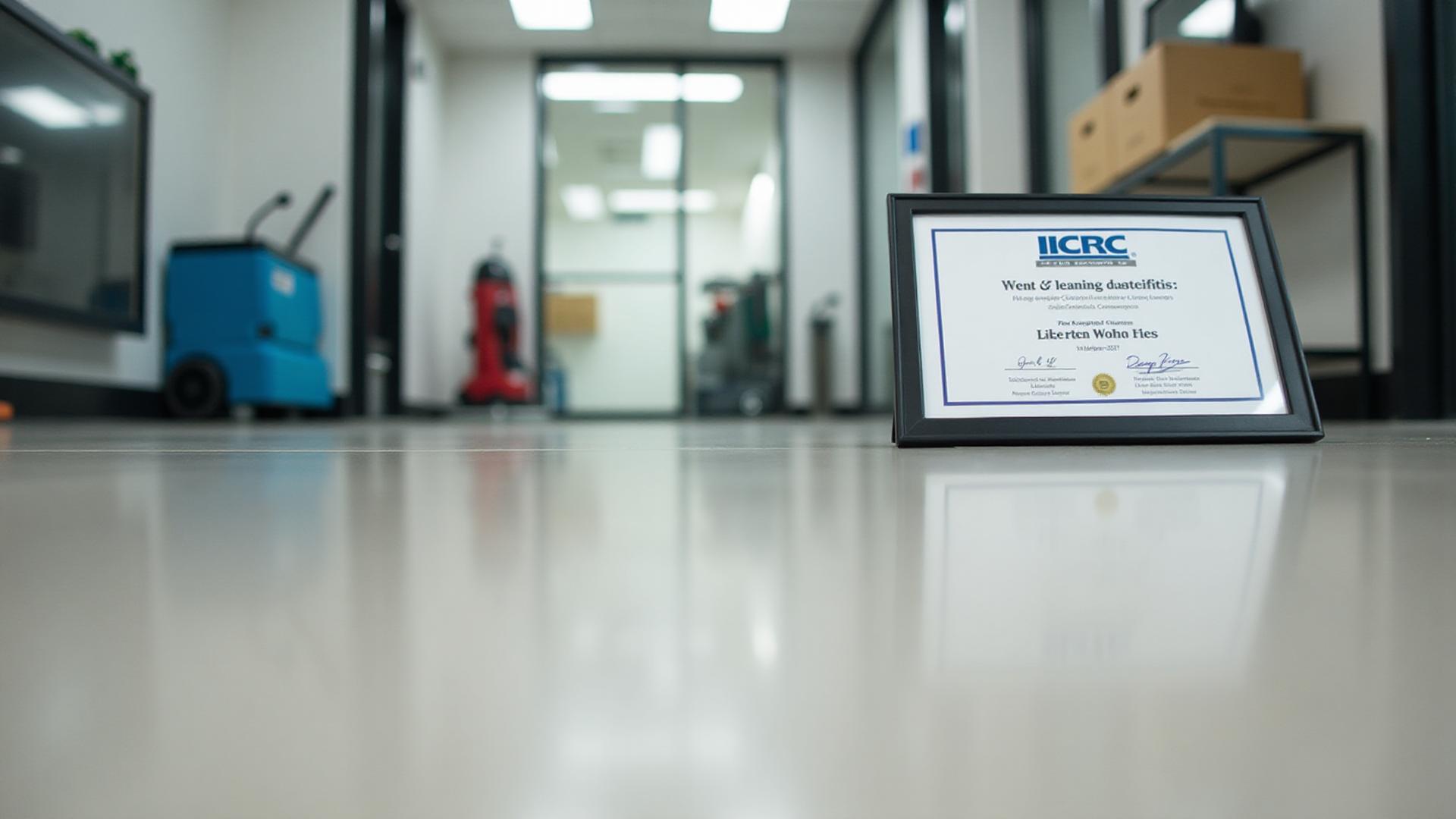
The IICRC Master-Certified Advantage
As a strata council member or property manager, you face a constant challenge: maintaining a clean, safe, and valuable property while managing unpredictable issues—from routine wear and tear to unexpected emergencies. The decisions you make about service providers directly impact your building's appearance, your residents' health and safety, and ultimately, your property values.
Here's a question that should matter to every strata decision-maker: Is your floor care provider certified for more than just cleaning?
I'm Darren Miller, owner of iRPro Clean Commercial, and I hold something that very few professionals in our industry can claim: three separate IICRC Master-level certifications. Not one. Three.
- Master Textile Cleaner
- Master Fire & Smoke Restorer
- Master Water Restorer
These aren't weekend courses or online certificates you can buy. These are the highest level of training and expertise available in the cleaning and restoration industry, awarded by the Institute of Inspection Cleaning and Restoration Certification (IICRC)—the globally recognized gold standard for our profession.
But what does that actually mean for your building? Why should certification matter when you're just trying to keep your hallway carpets clean and your lobby floors shining?
The answer is simple: A certified Master Restorer isn't just a cleaner—I'm a comprehensive building care expert who can protect your infrastructure, respond to emergencies, and safeguard your residents' health and safety in ways that standard cleaning companies simply cannot.
Let me show you exactly what that means in practice.
Section 1: Core Services for Impeccable Common Areas
Your building's common areas are the first impression for prospective buyers, the daily experience for current residents, and a reflection of your property's overall value and management quality. Maintaining these spaces isn't just about aesthetics—it's about protecting your flooring investment, ensuring resident satisfaction, and avoiding costly premature replacements.
Here's how my core IICRC certifications translate into superior care for your strata's everyday needs:
Carpet Cleaning: Extending Life and Maintaining Appearance in High-Traffic Hallways
Common Strata Scenario: Your hallway carpets see 24/7 foot traffic—residents, guests, delivery drivers, maintenance crews. Unlike office buildings that close at 5 PM, strata corridors never rest. This constant use accelerates soil accumulation, wear patterns, and fiber damage.
The Standard Approach: Most cleaners show up with a portable machine, spray soapy water, extract it, and leave. The carpets look better for a week, then they're dirty again—sometimes worse than before because soap residue left behind acts like a dirt magnet.
The Master-Certified Difference: With my IICRC Carpet Cleaning certification, I use low-moisture encapsulation cleaning methods—the modern standard for commercial carpet maintenance. This approach removes soil before it becomes embedded, dries in 1–2 hours (not 8–24 hours), and leaves zero soap residue. Your carpets stay cleaner longer, fiber damage is minimized, and you can extend carpet life from 5–7 years to 10–12+ years.
Why This Matters: A condition assessment helps councils compare repair, restorative cleaning and replacement options using the actual carpet condition and property requirements.
Upholstery & Fabric Cleaning: Protecting Lobby Furniture and Amenity Seating
Common Strata Scenario: Your lobby has fabric sofas, your party room has upholstered chairs, your theatre room has cushioned seating. These pieces get daily use from residents and guests, and they accumulate body oils, spills, pet dander, and general grime.
The Standard Approach: Many cleaners treat upholstery like carpet—they over-wet it, use the wrong products, and leave it soaking wet for hours. Fabrics shrink, colors bleed, and cushions develop mildew from excessive moisture.
The Master-Certified Difference: My IICRC Upholstery & Fabric Cleaning certification means I understand fabric types, cleaning codes, and appropriate methods for each material. I test for colorfastness, use proper pH-balanced products, and control moisture to prevent shrinkage and damage. Your furniture looks like new, lasts longer, and residents can use it again within hours—not days.
Why This Matters: A single lobby sofa can cost $2,000–$5,000 to replace. Proper maintenance extends its life and keeps your common areas looking professional and inviting.
Stone, Masonry & Ceramic Tile: Maintaining Safety and Shine in High-Traffic Zones
Common Strata Scenario: Your lobby has polished tile floors. Your fitness room has ceramic tile. Your pool deck has textured stone. These surfaces see constant foot traffic, moisture, and tracked-in debris. Grout lines become stained and discolored. Tile loses its shine and becomes slippery when wet.
The Standard Approach: Standard cleaners mop tile with floor cleaner and call it a day. Grout stays dirty, sealer wears off, and eventually the tile looks permanently stained and dull.
The Master-Certified Difference: With my IICRC Stone, Masonry & Ceramic Tile certification, I understand the chemistry of different stone types, grout compositions, and proper sealing techniques. I use truck-mounted extraction systems to deep clean grout lines, apply professional-grade sealers to protect against staining, and restore shine to dull tile surfaces. I also ensure slip resistance is maintained for safety—especially critical in pool and spa areas.
Why This Matters: A full tile replacement in a lobby or common area can run $15,000–$30,000. Proper maintenance and periodic sealing protect your investment and prevent safety hazards.
Carpet Repair & Reinstallation: Fixing Problems Before They Require Replacement
Common Strata Scenario: A hallway carpet develops a seam split from years of foot traffic. A cigarette burn appears in the elevator lobby. Carpets start rippling and buckling in high-traffic areas, creating trip hazards.
The Standard Approach: Most cleaning companies don't offer repair services—they just tell you to replace the carpet. That's a $10,000–$20,000 expense that wasn't budgeted.
The Master-Certified Difference: My IICRC Carpet Repair & Reinstallation certification means I can fix these issues without full replacement. I can re-stretch buckled carpet, patch burns and damaged sections, and repair split seams. This saves you thousands of dollars and extends the life of your flooring.
Why This Matters: A carpet repair typically costs $300–$800. A full replacement costs $10,000+. The math is simple.
Color Repair: Restoring Appearance Without Replacement
Common Strata Scenario: A resident accidentally spills bleach in the hallway, leaving a bright white spot. Sun damage near windows causes fading. A contractor drops paint or acid-based cleaner on the carpet.
The Standard Approach: Most cleaners shrug and say, "Nothing we can do—you need to replace it."
The Master-Certified Difference: My IICRC Color Repair certification allows me to re-dye bleach spots, restore faded areas, and blend repairs so they're virtually invisible. This specialized skill restores appearance and avoids costly replacement.
Why This Matters: A single bleach spot repair costs $150–$300. Replacing an entire hallway carpet costs $5,000–$15,000. Spot repairs save you from unnecessary capital expenses.
Section 2: Your 24/7 Partner for Building Emergencies
Routine cleaning is one thing. Emergency restoration is another level entirely. When disaster strikes—a burst pipe, a sewage backup, a fire in a unit—your building needs immediate, expert response. Not in a few days. Not tomorrow. Right now.
And here's the critical part: If the restoration isn't done correctly, your building faces mold growth, structural damage, health hazards, and massive liability exposure.
This is where my three Master designations truly set me apart. Very few professionals in Canada hold even one Master certification. I hold all three—which means I'm trained and certified to handle any restoration emergency your building might face.
Water Damage Restoration & Applied Structural Drying: Protecting Your Building from Catastrophic Damage
Common Strata Emergency: A pipe bursts in a unit on the 8th floor. Water floods the unit and pours through the ceiling into the units below. By the time the water is shut off, three floors are affected. Drywall is soaked, carpets are waterlogged, and standing water is pooling in electrical outlets.
The Standard Response: A general cleaning company shows up, sets out some fans and a dehumidifier, and hopes for the best. They have no moisture meters, no drying protocol, no IICRC training. Three weeks later, black mold starts growing behind walls, and your strata faces a $50,000+ remediation bill—plus lawsuits from affected residents.
The Master-Certified Response: With my IICRC Water Damage Restoration and Applied Structural Drying certifications, I respond immediately with a complete water mitigation plan:
- Moisture Mapping: I use thermal imaging and moisture meters to identify all affected areas—not just what's visible.
- Water Extraction: Commercial-grade extractors remove standing water quickly.
- Structural Drying: High-velocity air movers and commercial dehumidifiers create controlled drying conditions.
- Documentation: I monitor moisture levels daily and provide detailed logs for insurance claims.
- Mold Prevention: Proper drying within 48–72 hours prevents mold growth and protects resident health.
Why This Matters: Water damage is the #1 insurance claim for strata buildings. Improper drying leads to mold, structural damage, and liability nightmares. Certified restoration prevents these outcomes and protects your building's value.
Applied Microbial Remediation: Protecting Residents from Health Hazards
Common Strata Emergency: After a water damage event, or due to persistent moisture in a poorly ventilated area, mold starts growing behind walls, in HVAC systems, or under flooring. Residents start complaining of respiratory issues, musty odors, and visible mold patches.
The Standard Response: An unlicensed contractor shows up, sprays bleach on the visible mold, and paints over it. The mold comes back in a few weeks—now worse than before because the root problem wasn't addressed.
The Master-Certified Response: My IICRC Applied Microbial Remediation certification means I follow strict protocols to identify, contain, remove, and prevent mold:
- Assessment: I identify the moisture source (leaks, condensation, poor ventilation) and test affected areas.
- Containment: I isolate contaminated areas to prevent spores from spreading during remediation.
- Removal: I safely remove contaminated materials following WorkSafeBC guidelines.
- HEPA Filtration: I use HEPA air scrubbers to capture airborne spores and protect residents.
- Prevention: I address the root moisture issue to prevent future growth.
Why This Matters: Mold poses serious health risks—especially to children, elderly residents, and those with respiratory conditions. Improper remediation can spread contamination and create legal liability. Certified mold removal protects residents and shields your strata from lawsuits.
Fire & Smoke Damage Restoration: Cleaning Up After the Unthinkable
Common Strata Emergency: A small kitchen fire in one unit is quickly extinguished by the fire department. The unit owner's belongings are destroyed, but the real problem is the smoke and soot that has spread through the ventilation system, into hallways, and into neighboring units. Everything smells like smoke. Black soot stains are on walls, ceilings, and carpets.
The Standard Response: A general cleaner wipes down surfaces and sprays air freshener. The smell fades temporarily but returns within days because smoke particles are embedded in porous materials.
The Master-Certified Response: My IICRC Fire & Smoke Damage Restoration certification means I understand smoke chemistry, odor neutralization, and proper cleaning techniques for different materials:
- Soot Removal: I use dry sponging and specialized cleaning agents to remove soot without smearing it.
- Odor Neutralization: I use thermal fogging and hydroxyl generators to chemically neutralize smoke odors at the molecular level—not just mask them.
- HVAC Cleaning: I clean or replace filters and ensure ventilation systems aren't circulating contaminated air.
- Content Cleaning: I restore salvageable items using ultrasonic cleaning and ozone treatment.
Why This Matters: Smoke odor doesn't just disappear on its own. Improper cleaning leaves lingering smells, reduces property values, and creates tenant complaints. Professional fire restoration eliminates odors permanently.
Odor Control: Eliminating Persistent Smells at the Source
Common Strata Issue: Your parkade smells like gasoline and exhaust. The garbage room smells putrid. A unit was vacant for months and now has a musty, stale odor. Residents are complaining, but you don't know how to fix it.
The Standard Response: A cleaner sprays industrial-strength air freshener that masks the smell temporarily but doesn't eliminate the source. The odor returns within hours.
The Master-Certified Response: My IICRC Odor Control certification allows me to identify odor sources (organic decay, chemical contamination, moisture issues) and eliminate them using proven techniques:
- Source Removal: I identify and remove the contamination causing the odor (e.g., urine-soaked padding, decaying organic matter).
- Chemical Neutralization: I use enzymatic cleaners and oxidizers to break down odor molecules.
- Sealing and Encapsulation: I seal porous surfaces that have absorbed odors (subfloors, concrete).
- Air Treatment: I use hydroxyl generators or ozone machines to treat air and hard-to-reach areas.
Why This Matters: Persistent odors lower property values, increase tenant turnover, and create constant complaints. Professional odor control solves the problem permanently—not temporarily.
Section 3: Specialized Certifications for a Safer Community
Beyond routine cleaning and emergency restoration, there are specialized situations that require advanced training and strict safety protocols. These are scenarios that most cleaning companies aren't equipped to handle—but as a Master-certified professional with comprehensive training, I am.
Health & Safety: Protecting Residents, Staff, and Property
The Reality: Every service I provide—from routine carpet cleaning to biohazard remediation—is performed under strict health and safety protocols. This isn't just about following rules; it's about protecting everyone who lives in, works in, or visits your building.
What My IICRC Health & Safety Certification Means:
- All cleaning and restoration work follows WorkSafeBC guidelines
- I use only health-rated, zero-toxicity products (rated 0 or 1 for health impact)
- I maintain proper ventilation and air quality during all work
- I use appropriate personal protective equipment (PPE) for hazardous situations
- I communicate safety information clearly to residents and property managers
Why This Matters: Residents with asthma, allergies, and chemical sensitivities need assurance that cleaning products won't trigger health issues. Parents with young children need to know that floors and surfaces are safe after cleaning. Property managers need to know that contractors are following safety regulations to protect the strata from liability.
Trauma & Crime Scene Cleaning: Handling the Most Difficult Situations with Professionalism and Discretion
The Reality No One Wants to Talk About: In multi-unit residential buildings, traumatic events occasionally occur. A resident passes away and isn't discovered for days. A medical emergency results in significant blood loss. A crime occurs on the property. These situations require specialized cleaning that goes far beyond normal janitorial work.
What My IICRC Trauma & Crime Scene Certification Means:
This is one of the most difficult and sensitive certifications in our industry—and one that very few professionals hold. It requires advanced training in:
- Biohazard Handling: Blood, bodily fluids, and decomposition materials carry serious health risks (HIV, Hepatitis B/C, bloodborne pathogens). I'm trained in proper containment, removal, and disposal following WorkSafeBC and health authority regulations.
- Decontamination Protocols: Surfaces, porous materials, and HVAC systems must be properly decontaminated using EPA-approved disinfectants.
- Odor Elimination: Decomposition odors require specialized neutralization techniques—not just masking.
- Discretion and Respect: These situations involve grieving families, police investigations, and traumatized residents. I handle every scene with professionalism, respect, and strict confidentiality.
Why This Matters: When these situations arise, you need someone who can respond immediately, handle the situation safely and discreetly, and restore the space without exposing residents or staff to health risks. You also need to protect your strata from liability—improper handling of biohazardous materials can result in significant legal and financial consequences.
Most property managers never expect to need this service—but when they do, having a certified professional on call provides critical peace of mind.
Conclusion: The Value of a True Master
Choosing a cleaning and restoration provider for your strata building isn't just about finding someone to vacuum hallways and mop floors. It's about partnering with a professional who can:
✅ Protect your building's infrastructure through proper maintenance and care
✅ Respond immediately to emergencies with certified expertise and proven protocols
✅ Safeguard resident health and safety using health-rated products and strict safety standards
✅ Extend the life of your flooring and finishes, saving your strata thousands in premature replacements
✅ Provide comprehensive documentation for insurance claims, council meetings, and records
✅ Handle sensitive situations with professionalism, discretion, and respect
Very few professionals in Canada hold even one IICRC Master certification. I hold three:
- Master Textile Cleaner
- Master Fire & Smoke Restorer
- Master Water Restorer
These aren't just titles. They represent thousands of hours of training, rigorous testing, ongoing education, and real-world experience. They're proof that when you hire me, you're not just getting a cleaner—you're getting a comprehensive building care expert who can protect your investment, respond to any situation, and deliver results that standard cleaning companies simply cannot match.
Invest in Peace of Mind with a Certified Master Restorer and Cleaner
Your strata building deserves more than a basic cleaning service. It deserves a partner who understands the unique challenges of multi-unit residential properties, who can respond to emergencies with expert-level training, and who has the certifications to prove it.
Whether you need routine maintenance, emergency restoration, or specialized services, I'm here to help.
Ready to protect your building with Master-certified expertise?
Contact Darren Miller at iRPro Clean Commercial:
📞 Phone: 604-316-7615
📧 Email: info@irproclean.ca
🌐 Website: www.irproclean.com
Serving strata buildings throughout Chilliwack, Abbotsford, Mission, Langley, and the entire Fraser Valley region.
Additional IICRC Certifications Held by Darren Miller:
In addition to the three Master designations, I also hold certifications in:
- Carpet Repair & Reinstallation
- Trauma & Crime Scene Cleaning
- Upholstery & Fabric Cleaning
- Applied Structural Drying
- Health & Safety
- Color Repair
- Carpet Cleaning
- Applied Microbial Remediation
- Water Damage Restoration
- Stone, Masonry & Ceramic Tile Cleaning
- Fire & Smoke Damage Restoration
- Odor Control
- Contents Processing
IICRC Registration Number: 55236 | Expiration Date: June 30, 2026
All services performed by iRPro Clean Commercial adhere to IICRC standards and WorkSafeBC safety regulations. We carry $2 million general liability insurance and maintain active WCB coverage for your protection.
Ready to experience low moisture cleaning method.
Don't let carpet problems compromise your property value. Contact IRPro Clean for immediate professional assessment and solutions.